
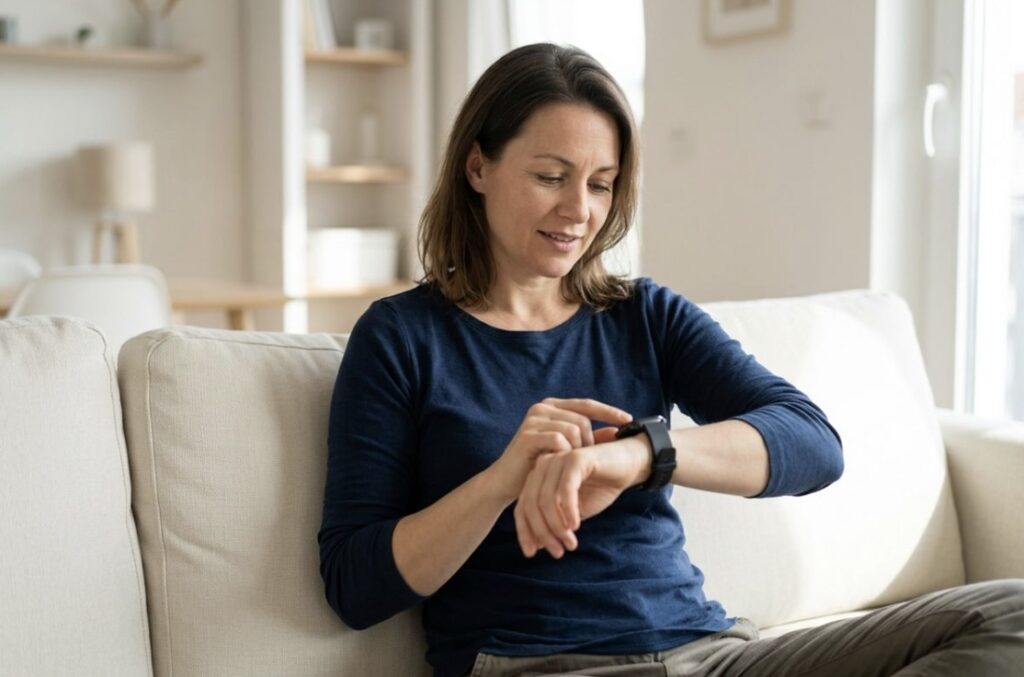
You strap a smart device to your wrist every morning to count steps and check text messages. You might notice the screen lights up to warn you about an elevated heart rate or a restless night of sleep. These little alerts do more than track fitness goals, and our team at Total Vision Santa Cruz can use this information to better understand your daily visual demands.
Your smartwatch can actually provide valuable insights into your eye health, including sleep data, heart rate, and more. The data recorded on your wrist provides a daily snapshot of habits that can affect your visual comfort and long-term clarity. You can bring this helpful data along when you schedule a comprehensive eye exam.
Key Takeaways
- Smartwatches track daily habits that can affect your visual comfort
- Sleep data and screen time alerts help manage dry eye
- Light sensors monitor outdoor time to support healthy child development
- Heart rate data points to broader health issues linked to vision
- Device logs pair well with visits to an eye doctor in Santa Cruz
The Link Between Smartwatches and Vision Care
Current Sensor Capabilities
Modern wearable devices collect an impressive amount of information about your environment and body. They watch your routines quietly from the background while you work or exercise. This technology can monitor specific metrics that relate directly to how your eyes function at the end of the day, including:
- Tracking daily movement patterns
- Logging heart rate data
- Measuring ambient light intensity
Future Focus for Glasses and Contacts
Health technology moves quickly into new areas of the body. As wearable tech improves in 2026, developers are actively developing smart glasses and specialized contact lenses to gather even more detailed measurements to track eye pressure changes. These upcoming tools aim to track tiny shifts in your eyes without you noticing a thing.
- Record daily pressure changes
- Look for blood sugar shifts
- Read tear film data
How Devices Track Sleep and Screen Time
Impact on Digital Eye Strain
A long day at a computer monitor leaves your eyes feeling tired and heavy. Your smartwatch notices when you sit still for hours at a time in front of a bright display. This lack of movement and poor sleep quality often lead to uncomfortable physical reactions associated with computer vision syndrome.
Symptoms of digital eye strain can include:
- Dry or irritated eyes
- Blurry vision after work
- Frequent headaches from screens
Benefits of Break Reminders
Your watch vibrates lightly on your wrist to tell you to stand up and walk around. Taking these small breaks gives your eye muscles a chance to relax and reset. Looking away from your screen periodically to take a short vision break helps you blink naturally to refresh the surface of your eye.
- Promote healthier rest routines
- Maintain natural tear film moisture
- Support daily visual comfort
Sensors for Light Exposure and Eye Habits
Monitor Light for Children
Kids spend hours in classrooms focusing on books and smartboards. Traditional means of correcting myopia, like single vision lenses, focus light directly on the retina. However, when the lenses shift that focal point back, peripheral vision focuses at a point behind the retina. The eye then grows longer in an attempt to accommodate the child’s peripheral vision, increasing their refractive error in the process.
Smart devices can track how much bright sunlight your child gets throughout the week. Monitoring this light exposure helps support a myopia management program, since spending more time outdoors can help manage healthy eye growth.
Catch Unconscious Hand Movements
Many people rub their eyes roughly when allergy season hits or they feel tired. You probably don’t realize how often your hands drift up to your face during a busy afternoon. Some motion sensors track these repetitive actions to help you break unhelpful habits before they lead to irritated or twitching eyelids.
Body Health Indicators and Your Eyes
Blood Pressure Alerts
Changes in your cardiovascular system show up quickly in the tiny blood vessels behind your pupil. A fitness tracker logs unusual spikes in your daily heart rate and estimated blood pressure. This continuous monitoring alerts you to vascular changes that may affect your optic nerve over time and indicate underlying eye conditions.
- Log daily blood pressure trends
- Flag risks for glaucoma progression
- Support home health routines
Sleep Apnea and Cholesterol Clues
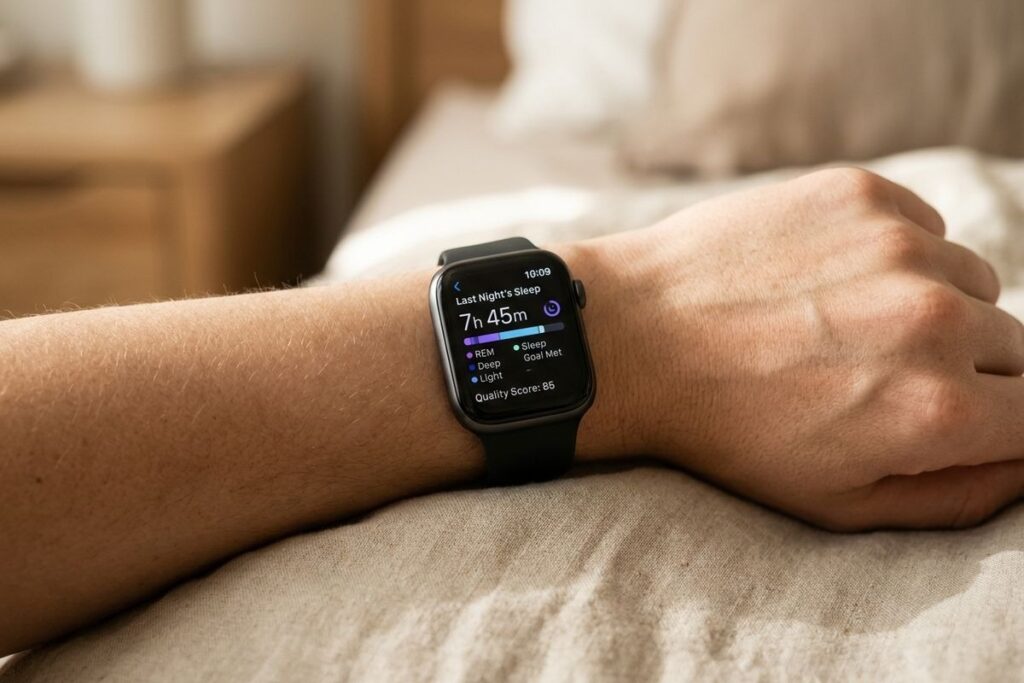
Restless nights and poor oxygen levels can point toward larger systemic issues. Your smartwatch sleep app easily records tossing and turning. These bodily changes sometimes manifest physically around your eyes before they show up on a lab test, making routine eye care a practical way to detect broader health issues.
Signs of high cholesterol can include:
- White rings around the corneas
- Yellow bumps near the eyelids
- Changes in blood vessels
Why Tech Needs an Eye Doctor
The Value of a Comprehensive Eye Exam
A wrist gadget provides helpful clues about your daily routines. However, an in-person evaluation gives you a complete picture of your visual health. Your eye doctor uses clinical equipment to perform a comprehensive evaluation, looking past the surface to map out the exact shape and condition of your entire eye.
How Our Team Uses Your Data
Total Vision Santa Cruz can combine your daily tech logs with detailed clinical observations. Your eye doctor reviews your screen time habits and sleep patterns to understand your unique lifestyle. This collaborative approach helps our team build a family eye care plan that fits your schedule.
Bring Your Watch
Bring your questions and your device data to your next appointment. Schedule a comprehensive exam with Total Vision Santa Cruz to keep your family seeing clearly for years to come.