
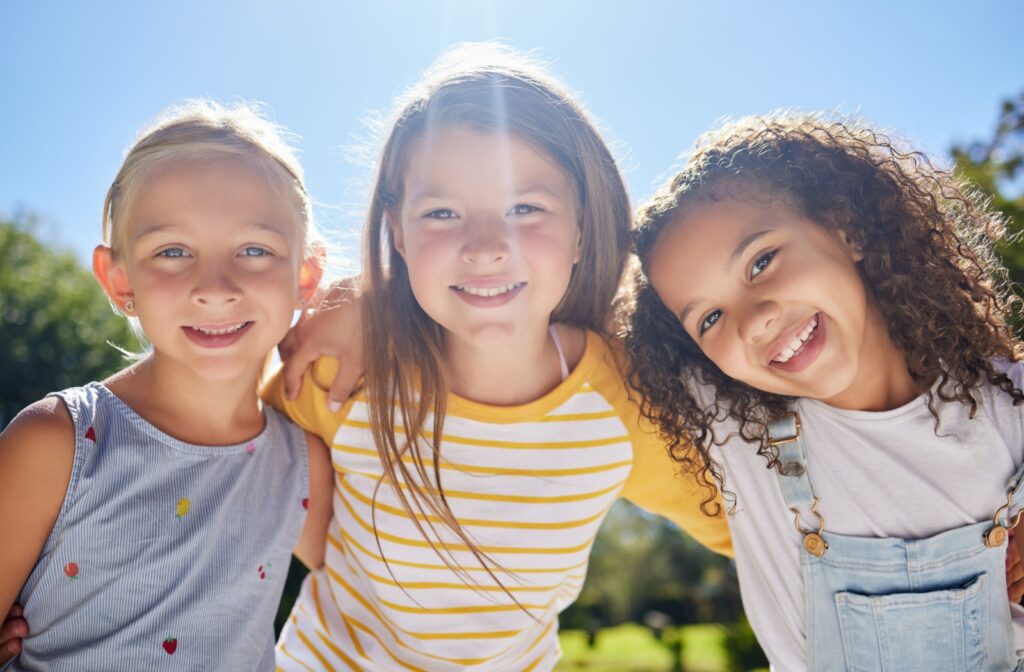
You might think getting your child outside is just about fresh air and exercise, but outdoor time can also protect your child’s vision from nearsightedness.
Yes, spending time outdoors really does help prevent myopia in kids by exposing their eyes to bright natural light and giving their distance vision regular exercise. This simple daily habit can make a real difference in your child’s long-term eye health.
Total Vision Santa Cruz provides comprehensive family eye care, including myopia control programs that combine outdoor time recommendations with treatment options.
What Myopia Means for Your Child’s Vision
When your child develops myopia, distant objects look blurry while close-up things stay clear. You might notice them squinting at the whiteboard at school or moving closer to see the TV.
This happens because your child’s eye grows longer than it should during development. Think of it like a camera that can’t focus properly; the image lands in front of the retina instead of right on it.
Myopia often gets worse as children grow, leading to thicker glasses and higher risks for serious eye problems later in life. High myopia significantly increases risks for conditions like retinal detachment, glaucoma, and early cataracts that affect vision permanently.
How Outdoor Time Protects Against Nearsightedness
The Light Factor Makes the Difference
Bright outdoor light is much more intense than indoor lighting—even on cloudy days—and research suggests it may help support healthy eye development in children. Exposure to natural light is linked to chemical activity in the retina, including dopamine release, which may help regulate how quickly the eye grows.
Distance Vision Gets Natural Exercise
When your child plays outside, their eyes naturally focus on objects far away, such as trees, birds, and other kids across the playground. This gives their entire field of vision a workout that indoor spaces can’t provide.
Inside, most things are within arm’s reach or across a room. Outside, your child’s eyes constantly shift between near and far objects, strengthening the muscles that control focusing. Research shows bright light exposure provides the key protective mechanism rather than physical activity alone.
Your Child Needs 2 Hours Daily Outside
Research shows children need about 13 hours of outdoor time each week to get meaningful protection against myopia. That breaks down to roughly 2 hours per day, including weekends.
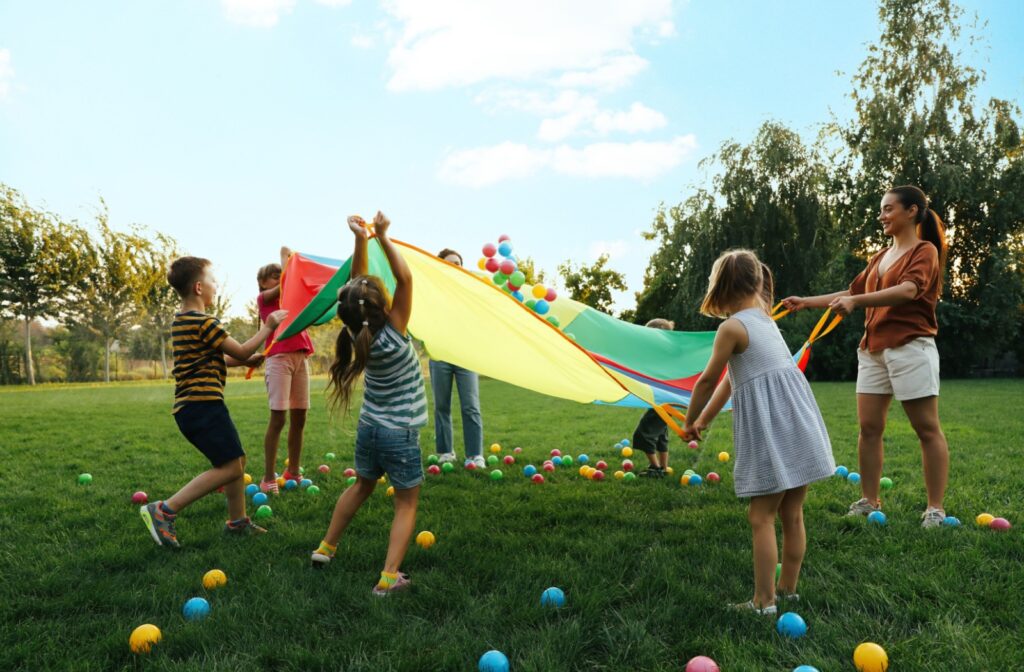
Good news—school recess and PE time count toward this goal. If your child gets 30 minutes of outdoor time at school, you only need to add about 90 minutes at home.
Any outdoor activity provides these vision benefits. Walking to school, playing in the backyard, or eating lunch on the patio all help reach that daily target. Parents can learn more about myopia prevention strategies and track their child’s outdoor time more effectively.
Sun Safety While Getting Eye Benefits
You can protect your child’s skin and still get the eye health benefits of outdoor time. Sitting in the shade still exposes their eyes to bright natural light that helps prevent myopia.
Sunglasses and hats are fine too; they don’t block enough light to cancel out the vision protection. The key is being outside where natural light reaches your child’s eyes. Quality UV-protective sunglasses can shield harmful rays while preserving the beneficial light exposure.
Even overcast days provide much brighter light than indoor environments. UV protection remains important, but your child doesn’t need direct sunshine to get these eye health benefits.
Simple Steps to Protect Your Child’s Vision
Daily Outdoor Time Goals
Plan family walks around your neighborhood after dinner or visit local parks on weekends. These activities help your child reach their daily outdoor time while creating fun family memories.
Encourage outdoor play before homework time. Your child gets the vision benefits while also improving focus and mood for indoor activities later.
When to Visit an Eye Doctor in Santa Cruz
Schedule regular eye exams before your child starts kindergarten, then annually as they grow. Early detection helps slow myopia progression even if it does develop. Children’s eye exams can detect vision changes before they affect learning and development.
Watch for signs like frequent squinting, sitting very close to screens, or complaints about not seeing distant things clearly. These might indicate your child needs vision correction.
If your child already wears glasses, outdoor time can still help slow further myopia progression. Your eye doctor can track changes and adjust treatment as needed.
Protect Your Child’s Vision
Taking simple steps now, like encouraging daily outdoor play and scheduling regular eye exams, can protect your child’s vision for years to come. Our Total Vision Santa Cruz team can help you create a complete eye health plan that fits your family’s needs and keeps your child’s vision clear and healthy. Contact us today to book your child’s routine eye exam.